Nissan Jukes have become a familiar choice in the compact SUV market, attracting drivers who want distinctive styling, a raised driving position and practical everyday performance. Whether you are considering a brand-new model or searching for a reliable used crossover, understanding the different Nissan Jukes available can help you make a better buying decision.
The Nissan Juke combines compact dimensions with SUV-inspired styling, making it suitable for urban driving, commuting and smaller households. However, different generations, engines and trim levels offer different experiences. Therefore, it is important to compare specifications, fuel economy, comfort and ownership costs before choosing one.
In this guide, we explore Nissan Jukes in detail, including their engines, interior features, boot space, reliability and alternatives such as the Peugeot 2008.
What Are Nissan Jukes?
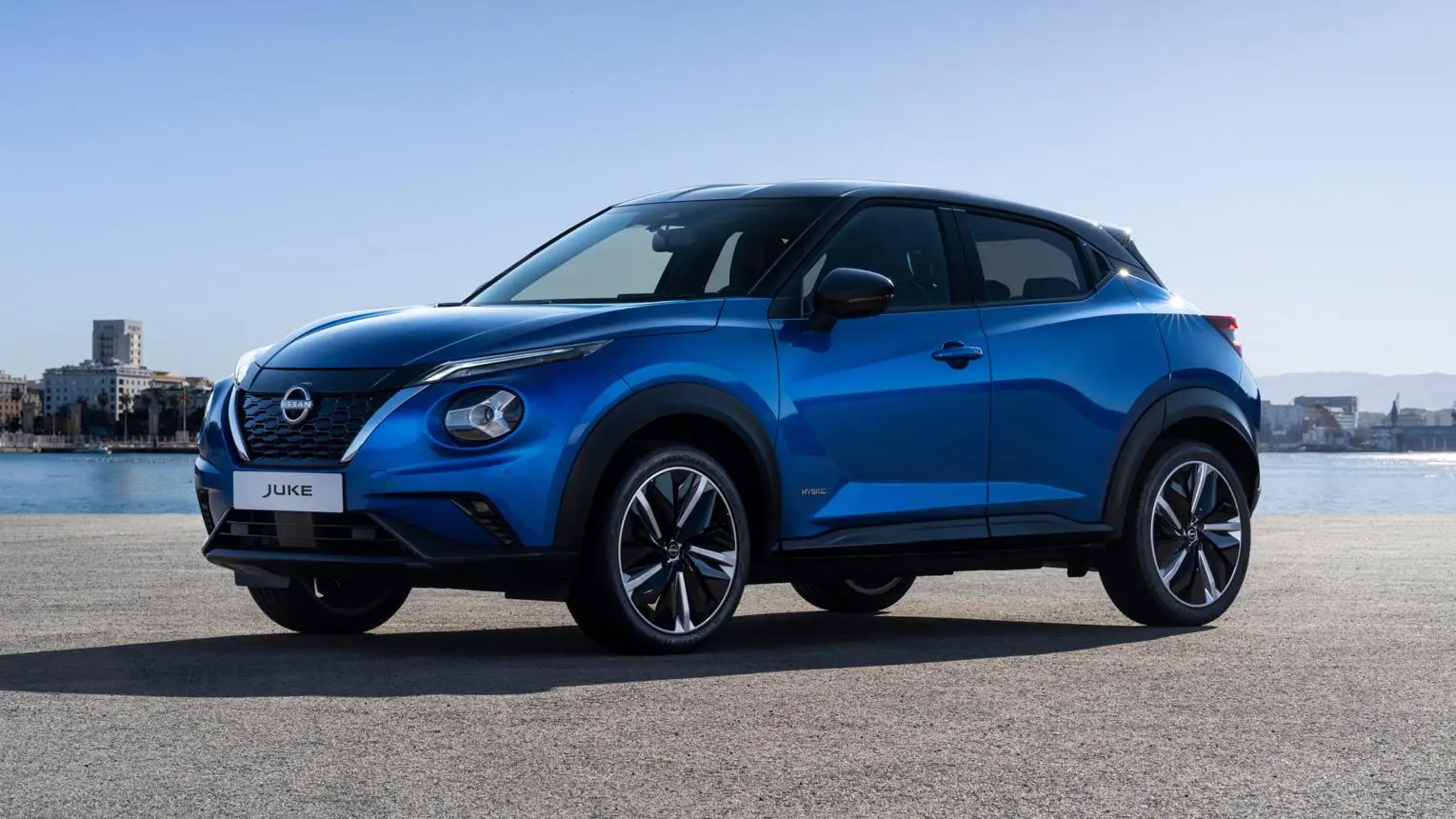
The Nissan Juke is a compact crossover SUV produced by Nissan. First introduced in 2010, it became popular because of its unusual exterior design and practical size.
The first generation established the Juke as a distinctive alternative to conventional small hatchbacks. Nissan introduced the second generation in 2019, bringing improved interior quality, updated technology and a more spacious cabin.
Today, the Juke remains an option for drivers who want an SUV-inspired vehicle without moving into a larger family SUV.
Its main attractions include:
- Distinctive exterior styling.
- Compact dimensions for easier parking.
- Raised driving position.
- Petrol and hybrid engine options.
- Modern infotainment technology.
- Five-seat interior layout.
- Useful everyday practicality.
However, rear visibility, passenger space and luggage capacity should be checked during a test drive.
Nissan Jukes Models and Generations
Before purchasing, it is worth understanding the differences between the main Nissan Juke generations.
First-Generation Nissan Juke (2010–2019)
The original Juke introduced a completely different approach to compact crossover design. Its unusual headlights, high bonnet and rounded body shape helped it stand out from other small cars.
Depending on the year and market, buyers could find several petrol and diesel engines.
Common options included:
- 1.2-litre DIG-T petrol.
- 1.6-litre petrol.
- 1.5-litre dCi diesel.
- 1.6-litre turbocharged petrol in selected performance versions.
Used buyers should pay particular attention to maintenance records, gearbox condition and engine history. The condition of individual vehicles can vary considerably.
Second-Generation Nissan Juke (2019–Present)
The second-generation model introduced a more modern appearance and improved cabin design.
It offers a larger body than the original Juke, updated infotainment and additional driver-assistance features.
In the UK, the current petrol model uses a 1.0-litre DIG-T three-cylinder engine producing 114PS. Buyers can choose a six-speed manual or seven-speed dual-clutch automatic, depending on specification.
A 1.6-litre petrol-electric hybrid producing a combined 143PS is also available.
The exact equipment and engine availability depend on model year and trim.
Nissan Jukes Prices in the UK
The price of Nissan Jukes depends on the generation, mileage, engine, trim level and overall condition.
New models generally cost more than used examples, while hybrid versions and higher equipment grades can command a premium.
For the 2026 model year, Nissan’s UK website lists the Juke from approximately £23,635, although prices and dealer offers can change.
When comparing prices, consider:
- Purchase price.
- Mileage and service history.
- Insurance group.
- Road tax.
- Fuel consumption.
- Tyre replacement costs.
- Warranty coverage.
- Previous accident or repair history.
For used vehicles, compare several examples rather than choosing the cheapest listing immediately.
You can check current specifications and prices on the official Nissan Juke website.
Nissan Jukes Engine Options and Performance
Engine choice is one of the most important considerations when buying a Nissan Juke.
1.0-Litre DIG-T Petrol
The 1.0-litre DIG-T petrol engine is available in the second-generation Juke.
It produces 114PS and 200Nm of torque in the current UK specification.
It is suitable for everyday commuting and general driving. The manual version offers a conventional driving experience, while the dual-clutch automatic provides additional convenience in traffic.
1.6-Litre Hybrid
The hybrid version combines a 1.6-litre petrol engine with an electric motor.
Its combined output is 143PS.
The hybrid system can use electric power during certain driving conditions, helping reduce petrol consumption, particularly in urban environments.
It is worth considering if you regularly drive through towns and experience stop-start traffic.
However, the hybrid model has a different transmission system and luggage capacity compared with the petrol version.
Nissan Jukes Fuel Economy and MPG
Fuel economy is another important factor when comparing Nissan Jukes.
The official figures depend on the engine, transmission, wheels and trim level.
For example, Nissan lists a combined WLTP figure of approximately 48.7mpg for a specified 1.0-litre manual petrol version.
Real-world fuel economy can be different.
Your actual MPG will depend on:
- Driving speed.
- Traffic conditions.
- Journey length.
- Vehicle load.
- Tyre pressure.
- Weather conditions.
- Driving style.
The hybrid version may be particularly attractive for urban drivers. Nevertheless, motorway drivers should compare real-world results before paying extra for hybrid technology.
Nissan Jukes Interior, Technology and Comfort
The second-generation Nissan Juke offers a more modern cabin than its predecessor.
Depending on trim level, equipment can include:
- Touchscreen infotainment.
- Digital instrument display.
- Apple CarPlay and Android Auto.
- Rear-view camera.
- Parking sensors.
- Automatic climate control.
- Intelligent safety assistance.
- Heated seats on selected versions.
The front seats generally provide a comfortable driving position, while the raised seating arrangement gives the vehicle an SUV-like feel.
However, the sloping roofline and compact dimensions can affect rear-seat comfort.
If you regularly carry adult passengers, check the available legroom and headroom before buying.
Nissan Jukes Boot Space and Practicality
Boot space is an important consideration for families and drivers who regularly carry shopping, luggage or work equipment.
The current petrol Nissan Juke offers approximately 422 litres of luggage capacity with the rear seats in place.
The hybrid version offers approximately 354 litres, so buyers should consider this difference before making a decision.
With the rear seats folded, additional luggage space becomes available.
The Juke is practical for everyday shopping and smaller family journeys. However, drivers who regularly carry bulky luggage may prefer a larger SUV.
If boot capacity is your priority, compare the Juke with the Peugeot 2008 and other compact crossovers.
Are Nissan Jukes Reliable?
Nissan Juke reliability depends on the generation, engine, gearbox, maintenance history and previous ownership.
The second-generation petrol Juke received a particularly poor result in the 2025 What Car? reliability survey. Its reported reliability rating was 55.2%.
The survey highlighted problems involving areas such as the 12-volt battery, engine and fuel system.
This does not mean every Nissan Juke will develop faults. However, it shows why checking the vehicle’s history is important.
Before buying a used example, inspect:
- Engine starting and idle behaviour.
- Gearbox operation.
- Warning lights.
- Battery condition.
- Suspension noises.
- Air conditioning.
- Infotainment functions.
- Service and maintenance records.
Arrange an independent inspection if you are unsure about the vehicle’s condition.
You can also read the What Car? SUV reliability survey for additional information.
Nissan Jukes Common Problems to Check
Not every Juke experiences the same problems, but buyers should pay attention to several areas.
Engine and Starting Problems
Check for difficult starting, uneven idling, unusual noises and warning messages.
A proper diagnostic inspection can help identify stored fault codes.
Gearbox Problems
Test the manual or automatic gearbox carefully.
Look for delayed engagement, slipping, jerky changes or unusual noises.
For older models, investigate the service and repair history of the exact transmission fitted.
Electrical Issues
Check the infotainment system, dashboard displays, parking sensors, cameras and other electrical equipment.
Also, inspect the 12-volt battery and charging system.
Suspension and Brakes
Listen for knocking noises over uneven roads and check for steering vibration.
Inspect the brakes for uneven wear and excessive noise.
A pre-purchase inspection is particularly useful when buying an older or high-mileage Juke.
Nissan Juke vs Peugeot 2008: Which Is Better?
The Nissan Juke and Peugeot 2008 are two alternatives worth comparing if you want a compact SUV.
Both offer modern styling, a raised driving position and practical dimensions. However, they have different interior designs and driving characteristics.
| Feature | Nissan Juke | Peugeot 2008 |
|---|---|---|
| Vehicle type | Compact SUV | Compact SUV |
| Main appeal | Distinctive styling | Modern interior and versatility |
| Seating | 5 seats | 5 seats |
| Engine choices | Petrol and hybrid | Depends on market and model year |
| Driving experience | Compact and responsive | Comfort-focused and refined |
| Best for | Drivers who like bold styling | Drivers seeking a balanced SUV |
The Nissan Juke is worth considering if you like its distinctive appearance and compact dimensions.
On the other hand, the Peugeot 2008 deserves attention if you prefer Peugeot’s interior design and available powertrain choices.
Neither vehicle is automatically the better purchase. Compare the exact model year, engine, equipment and ownership costs.
Read our Peugeot 2008 vs Renault Captur comparison for more information about the compact SUV market.
You can also explore our Peugeot SUV buying guide to compare different Peugeot models.
What to Check Before Buying Used Nissan Jukes
Buying a used crossover can save money, but a careful inspection is essential.
Use this checklist before making your final decision:
- Check the complete service history.
- Confirm the vehicle’s mileage.
- Inspect the engine for leaks or unusual noises.
- Test the gearbox during different driving conditions.
- Check all dashboard warning lights.
- Test the air conditioning and infotainment.
- Inspect tyres, brakes and suspension.
- Check for accident damage.
- Verify the MOT history.
- Arrange an independent mechanical inspection.
In the UK, you can use the GOV.UK MOT history service to review recorded MOT results.
Also, check the vehicle identification number and confirm that the registration details match the car’s documents.
Are Nissan Jukes Worth Buying in 2026?
Nissan Jukes can still be worth considering in 2026, particularly if you want a compact crossover with distinctive styling and modern features.
The petrol version may suit drivers who want a straightforward everyday vehicle. Meanwhile, the hybrid version offers another option for people who regularly drive in urban conditions.
However, reliability deserves careful attention. The results from independent owner surveys show that buyers should not assume every Juke offers trouble-free ownership.
Before purchasing, compare the price, service history, gearbox, fuel economy and available equipment.
It is also sensible to test-drive alternatives such as the Peugeot 2008, Renault Captur and other small SUVs.
Final Verdict: Choosing the Right Nissan Juke
Nissan Jukes offer a distinctive alternative to traditional hatchbacks and larger SUVs. Their compact dimensions, raised driving position and choice of petrol or hybrid power make them suitable for different driving needs.
Nevertheless, the right choice depends on your budget and expectations.
A newer model may provide updated technology, while a carefully maintained used Juke could offer better value. In either case, check the vehicle’s history and arrange an inspection before committing.
For anyone comparing compact SUVs, the Peugeot 2008 is another strong model to investigate. Taking time to compare both vehicles will help you choose a car that suits your lifestyle and long-term budget.
Frequently Asked Questions About Nissan Jukes
1. Are Nissan Jukes good cars?
Nissan Jukes offer distinctive styling, compact dimensions and useful everyday features. However, reliability results vary by generation and engine, so checking the maintenance history is important.
2. Are Nissan Jukes reliable?
Reliability depends on the model year, engine, gearbox and maintenance. The 2019–2025 petrol model received a poor rating in the 2025 What Car? reliability survey, making a thorough inspection particularly important.
3. How much do new Nissan Jukes cost in the UK?
The 2026 UK range is listed from approximately £23,635. Prices depend on trim, engine, optional equipment and dealership offers.
4. Do Nissan Jukes come as hybrids?
Yes. The current UK range includes a 1.6-litre petrol-electric hybrid producing a combined 143PS.
5. How much boot space does a Nissan Juke have?
The current petrol model offers approximately 422 litres of boot space. The hybrid version offers approximately 354 litres.
6. Are Nissan Jukes economical?
The 1.0-litre petrol engine has an official combined WLTP figure of approximately 48.7mpg in a specified manual configuration. Actual fuel consumption varies with driving conditions.
7. Is the Nissan Juke suitable for families?
It can suit smaller households and families who do not regularly need a large amount of passenger or luggage space. However, larger families may prefer a bigger SUV.
8. Is the Nissan Juke better than the Peugeot 2008?
Both vehicles have different strengths. The Juke offers distinctive styling, while the Peugeot 2008 provides a different interior experience and a choice of powertrains depending on the market. A test drive is the best way to compare them.
9. What should I check when buying a used Nissan Juke?
Check the engine, gearbox, service history, battery, suspension, brakes, electrical systems and MOT history. An independent inspection can help identify problems before purchase.
10. Which Nissan Juke engine should I choose?
The 1.0-litre petrol engine may suit everyday commuting, while the 1.6-litre hybrid can appeal to drivers who regularly travel in urban conditions. Your driving habits and budget should determine the best option.