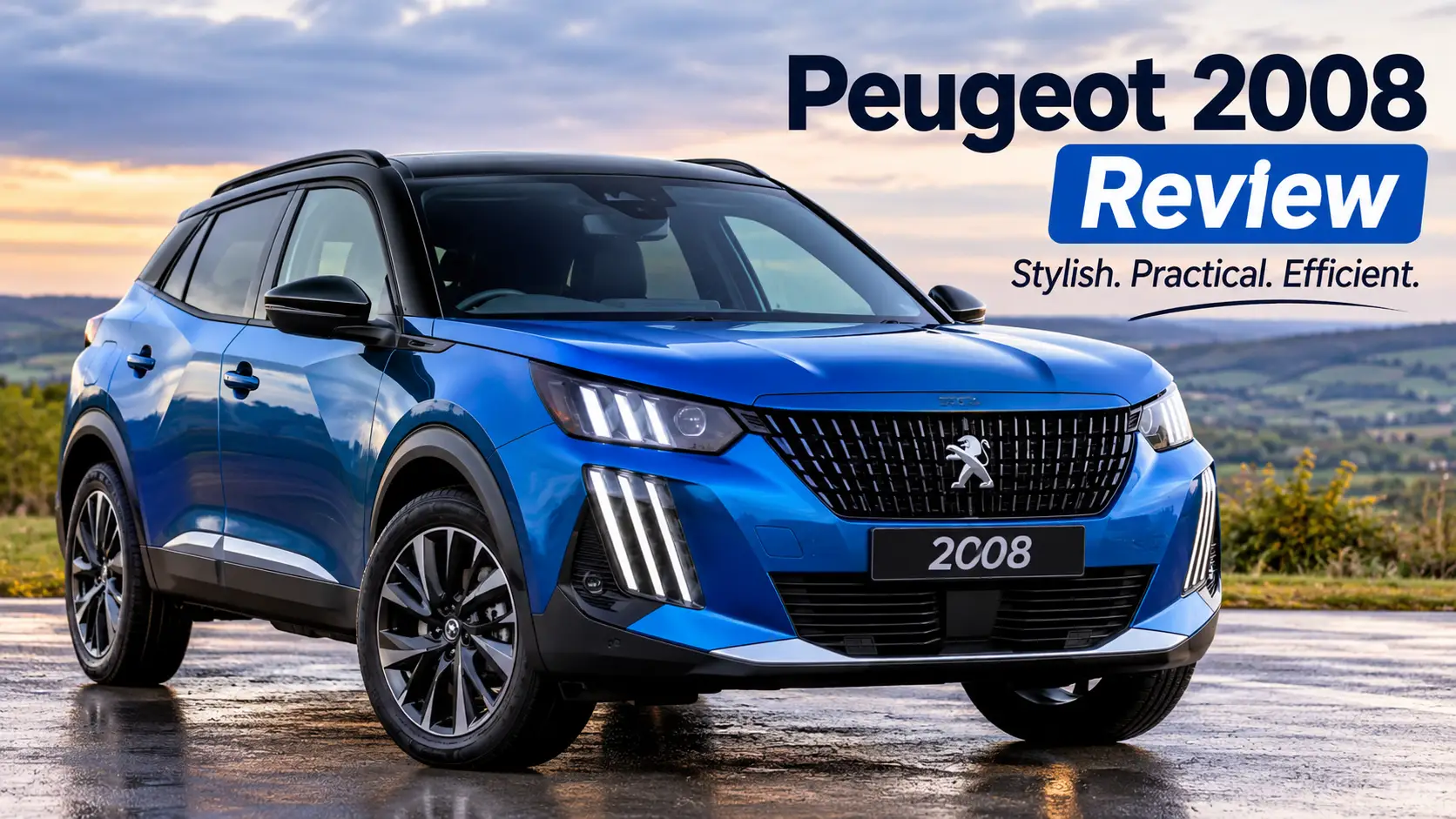
The Peugeot 2008 Review covers everything buyers need to know about this stylish compact SUV, from its exterior design and comfortable interior to engine performance, fuel economy and everyday practicality. Peugeot has designed the 2008 for people who want the raised driving position and appearance of an SUV without choosing a vehicle that feels too large for daily use.
With its distinctive styling, modern technology and choice of petrol, hybrid and fully electric powertrains in selected markets, the Peugeot 2008 has plenty to offer. However, attractive looks alone do not make a car worth buying. Comfort, reliability, running costs and passenger space are equally important.
So, is the Peugeot 2008 a sensible choice in 2026? Let’s take a closer look at its strengths, weaknesses and ownership considerations to help you make an informed decision.
1. Exterior Design and Styling
The Peugeot 2008 has a distinctive appearance that helps it stand out in the competitive compact SUV market. Rather than looking like an ordinary family hatchback with a raised body, it has a design that gives it a proper SUV character.
At the front, the bold grille, modern Peugeot badge and signature three-claw daytime running lights create an instantly recognisable appearance. The sharp headlight design also gives the vehicle a sporty and confident look.
From the side, the sculpted body panels, raised ride height and attractive alloy wheels add to its overall appearance. At the rear, the modern lighting design and wide tailgate create a balanced finish.
The second-generation model arrived in 2019, bringing a major design improvement over the original version. Peugeot introduced another styling update in 2023, with revised exterior details and updated technology.
One thing worth appreciating is that the 2008 does not look unnecessarily large or heavy. Its proportions make it suitable for drivers who want an SUV appearance without dealing with the dimensions of a much bigger vehicle.
Overall, exterior styling is one of the strongest reasons to consider this model. The Peugeot 2008 Review would not be complete without recognising how much its modern appearance contributes to its appeal.
2. Interior Quality and Cabin Comfort
Step inside the Peugeot 2008 and you will find an interior that feels different from many competing compact SUVs.
One of its most recognisable features is the Peugeot i-Cockpit. This layout combines a compact steering wheel, a raised instrument display and a central infotainment screen.
Depending on the model year and trim level, the cabin can include:
- Digital instrument display.
- Central touchscreen infotainment system.
- Apple CarPlay and Android Auto.
- Automatic climate control.
- USB charging connections.
- Wireless smartphone charging on selected versions.
- Ambient interior lighting on selected trims.
- Improved upholstery and interior finishes.
The dashboard has a modern appearance, while the materials and controls give the cabin a more premium feel.
However, the i-Cockpit layout is not perfect for everyone. Some drivers find that the small steering wheel blocks part of the instrument display. Others need time to become comfortable with the driving position.
For this reason, spend some time inside the vehicle before purchasing it. Adjust the steering wheel and seat, check visibility and make sure the dashboard layout works for you.
The front seats offer a comfortable driving position, while the rear seats provide useful space for passengers. Nevertheless, taller adults may find legroom slightly limited during longer journeys.
The cabin is one of the highlights of the Peugeot 2008 Review because it gives the vehicle a more distinctive character than many conventional small SUVs.
3. Engine Options and Performance
The Peugeot 2008 has been offered with different powertrains depending on the model year and market. This gives buyers some flexibility when choosing a vehicle that matches their driving habits.
Petrol engines
The 1.2-litre PureTech turbocharged petrol engine has been a common option in the range.
It offers enough performance for everyday commuting, shopping trips and motorway journeys. The turbocharger helps deliver useful pulling power without requiring a large engine.
Different versions have been offered with different power outputs and manual or automatic transmissions.
For drivers who mainly travel around towns and cities, the petrol version can be a sensible choice.
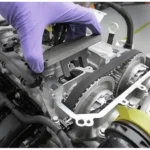
However, used-car buyers should pay attention to the engine generation and maintenance records. Certain earlier PureTech engines have experienced wet timing belt deterioration and oil consumption concerns.
Before buying, read our detailed guide to Peugeot PureTech engine problems.
Mild-hybrid technology
Selected newer models feature a 48V mild-hybrid system.
This technology combines a petrol engine with an electric motor and a small battery. The electric system supports the engine during certain driving conditions and helps recover energy when slowing down.
Unlike a plug-in hybrid, it does not need to be connected to a charging point.
This makes it an interesting option for drivers who want some efficiency benefits without changing their normal driving routine.
Peugeot E-2008 electric
The E-2008 is the fully electric version.
Instead of a conventional petrol engine, it uses an electric motor powered by a rechargeable battery. This means drivers do not need petrol, although they do need access to suitable charging facilities.
Battery capacity, power output and driving range vary by model year and specification.
Real-world range can also be lower than official figures because of motorway speeds, cold weather, heating use and driving style.
For people who can charge at home or work, the E-2008 may be a practical alternative to a conventional petrol SUV.
4. Driving Experience and Road Comfort
The Peugeot 2008 is designed mainly for comfortable everyday driving rather than high-performance motoring.
Its steering is light, which makes the vehicle easier to manoeuvre through busy streets and car parks. Its compact dimensions are also useful when navigating narrow roads or finding parking spaces.
On normal roads, the suspension provides a reasonable balance between comfort and handling. The vehicle feels composed during everyday driving, while the raised seating position gives the driver a useful view of the road.
Motorway journeys are also manageable. The cabin provides a reasonably refined environment, although road and engine noise will depend on the engine, tyres and speed.
There is one thing worth considering: larger alloy wheels can make the ride feel firmer over potholes and uneven surfaces.
Therefore, do not judge the driving experience from photographs or specifications alone. A proper test drive is the best way to understand whether the suspension and steering suit your preferences.
For everyday commuting, the combination of manageable dimensions, light steering and useful visibility makes the 2008 an appealing option.
5. Fuel Economy and Running Costs
Fuel economy is an important consideration when choosing any family SUV.
The Peugeot 2008 offers different efficiency levels depending on the powertrain. Petrol versions can provide reasonable economy, while selected mild-hybrid versions are designed to improve efficiency.
However, official fuel consumption figures do not always reflect everyday driving conditions.
Frequent short journeys, heavy traffic and aggressive acceleration can increase fuel consumption. Similarly, motorway driving at higher speeds may use more fuel than steady driving on open roads.
Before purchasing, consider the following ownership expenses:
- Petrol or electricity costs.
- Annual servicing.
- Insurance premiums.
- Tyre replacement.
- Road tax and applicable vehicle charges.
- MOT costs for vehicles requiring testing.
- Unexpected maintenance and repairs.
For electric models, compare home charging tariffs with public charging prices. Charging costs can vary considerably depending on where and when you charge.
The cheapest vehicle to purchase is not always the cheapest to own. Looking at the complete running costs will give you a more realistic picture.
6. Boot Space and Family Practicality
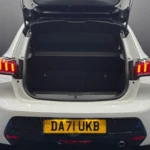
A compact SUV needs to offer enough space for everyday activities. Fortunately, the Peugeot 2008 provides a useful luggage area for its size.
The second-generation petrol versions offer approximately 434 litres of boot capacity, with the rear seats in place. Folding the rear seats increases the available luggage space to approximately 1,467 litres in applicable versions.
This makes it suitable for carrying:
- Weekly shopping.
- Small and medium-sized suitcases.
- Pushchairs.
- Sports equipment.
- Weekend travel bags.
- Everyday family belongings.
The wide tailgate also makes loading and unloading more convenient.
However, the Peugeot 2008 is not a large family SUV. Families who regularly carry several adult passengers or substantial holiday luggage may need something bigger.
If passenger space is your main priority, compare the Peugeot 3008 and Peugeot 5008 before making a decision.
7. Technology and Infotainment Features of Peugeot 2008 Review
Modern buyers expect their vehicles to offer useful technology, and the Peugeot 2008 does a good job in this area.
Depending on the trim and model year, the infotainment system can provide smartphone connectivity, navigation, media controls and vehicle settings.
The digital instrument display also adds a modern touch to the dashboard.
Other available convenience features may include:
- Keyless entry and starting.
- Reversing camera.
- Front and rear parking sensors.
- Automatic headlights.
- Rain-sensing wipers.
- Wireless smartphone charging.
- Navigation.
- Electric folding mirrors.
Not every version includes all these features. Some equipment is reserved for higher trims or optional packages.
If you are buying a used vehicle, check the actual specification rather than relying only on the trim badge.
It is also worth testing the touchscreen, reversing camera and smartphone connection during your inspection.
8. Safety Features and Driver Assistance of Peugeot 2008 Review
Safety is another important part of the buying decision.
Depending on its specification, the Peugeot 2008 can offer several driver-assistance technologies designed to support the driver in different situations.
These may include:
- Automatic emergency braking.
- Lane-keeping assistance.
- Traffic-sign recognition.
- Driver attention monitoring.
- Adaptive cruise control on selected versions.
- Blind-spot monitoring on selected versions.
- Parking assistance.
For example, parking sensors can make tight parking spaces easier to manage. Similarly, emergency braking systems can help reduce the risk of certain collisions.
However, these technologies are designed to assist rather than replace the driver.
The second-generation Peugeot 2008 received a five-star Euro NCAP rating under the 2019 testing protocol with the relevant safety equipment. That assessment is now dated and should not be confused with a current five-star rating.
You can check safety assessments and vehicle information at Euro NCAP.
9. Reliability and Common Problems
Reliability deserves careful attention when purchasing a Peugeot 2008, particularly if you are considering a used model.
The vehicle can provide dependable service when properly maintained. Nevertheless, some engines and components have known issues that buyers should investigate.
PureTech engine concerns
Certain earlier 1.2-litre PureTech petrol engines use a wet timing belt that operates in engine oil.
Belt deterioration can cause serious problems if it is not identified and addressed. Therefore, check the servicing records, correct oil specification and belt inspection or replacement history.
Do not assume that every PureTech engine has the same design or maintenance requirements.
Automatic gearbox behaviour
Some older versions use automated manual transmission systems, which can feel less smooth than conventional automatic gearboxes.
During a test drive, check acceleration, low-speed movement and gear changes. Any unusual noises, warning messages or excessive judder should be investigated.
Diesel emissions systems
Older diesel models may experience issues involving diesel particulate filters and AdBlue systems.
These components deserve particular attention if the vehicle has mainly been used for short journeys.
Electrical and infotainment issues
As with many modern cars, electrical equipment should be checked before purchase.
Test the touchscreen, parking sensors, dashboard displays, air conditioning and other electronic features.
These potential concerns do not mean every vehicle will develop faults. They simply show why a proper inspection and complete service history matter.
For a more detailed breakdown, read our guide to Peugeot 2008 problems and reliability.
10. Trim Levels and Available Equipment
Peugeot has offered several trim levels across different generations and markets.
In the UK, buyers may come across versions such as Active, Allure and GT. However, equipment and naming have changed over time.
Active: Usually represents the entry-level specification, with essential comfort, safety and infotainment features.
Allure: Generally offers additional styling and convenience equipment, making it an attractive middle option.
GT: Focuses on a sportier appearance and additional features. Depending on the year, this may include upgraded lighting, larger alloy wheels and enhanced interior equipment.
Higher specifications may also offer additional driver-assistance and comfort features.
When comparing used vehicles, look at the actual equipment list. A newer lower trim may offer different features from an older higher trim.
11. Comparison With Other Compact SUVs of Peugeot 2008 Review
The compact SUV market has several strong alternatives. Each has its own strengths, so the right choice depends on your priorities.
Peugeot 2008 vs Renault Captur
The Renault Captur is one of the closest competitors.
The Captur offers a flexible rear seating arrangement on applicable versions, which can help balance passenger and luggage space.
The Peugeot, meanwhile, stands out with its i-Cockpit interior and fully electric E-2008 option.
For a more detailed comparison, read our Peugeot 2008 vs Renault Captur comparison.
Peugeot 2008 vs Ford Puma
The Ford Puma is particularly appealing to drivers who enjoy responsive handling.
Its driving experience is one of its main strengths. However, the Peugeot may appeal more to people who prefer distinctive interior styling and electric powertrain availability.
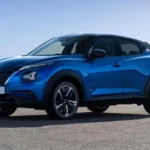
Peugeot 2008 vs Nissan Juke
The Nissan Juke also has a bold exterior design and compact dimensions.
Both vehicles are suitable for urban driving. The final decision will depend on interior comfort, equipment, engine choice and personal preference.
There is no single winner for every buyer. Comparing the vehicles in person is the best way to find the right match.
12. Main Advantages and Disadvantages of Peugeot 2008 Review
Before making your final decision, it helps to look at the main strengths and weaknesses together.
Advantages
- Attractive and distinctive exterior design.
- Modern and well-presented interior.
- Comfortable driving position.
- Useful boot capacity.
- Petrol, mild-hybrid and electric options in selected markets.
- Modern infotainment features.
- Compact dimensions for city driving.
- A good choice for smaller families.
Disadvantages
- Rear passenger space could be better.
- The i-Cockpit layout may not suit every driver.
- Certain earlier PureTech engines require additional maintenance attention.
- Higher trims can be expensive.
- Larger wheels may affect ride comfort.
- Electric models need suitable charging access.
13. Is the Peugeot 2008 Worth Buying in 2026?
After looking at the design, interior, performance, technology and practicality, the Peugeot 2008 makes a convincing case for buyers who want a modern compact SUV.
Its biggest attractions are its distinctive appearance, well-presented cabin and choice of powertrains. It is also relatively easy to drive around town and provides enough luggage space for many everyday family requirements.
However, it is not the perfect vehicle for everyone.
If you regularly carry several adult passengers, a larger SUV may be more suitable. If you are buying a used petrol model, pay particular attention to the engine generation and maintenance history.
The best approach is to compare several versions, check their service records and take a proper test drive.
Our verdict: The Peugeot 2008 is worth considering if you want a stylish, modern and practical compact SUV. Choose the right engine, check the specification carefully and make sure the vehicle suits your everyday needs before buying.
Frequently Asked Questions About Peugeot 2008 Review
1. Is the Peugeot 2008 a good car?
Yes. It offers attractive styling, a modern interior, useful technology and practical luggage space. However, the right engine and maintenance history are important when choosing a used model.
2. How much boot space does the Peugeot 2008 have?
The second-generation petrol model offers approximately 434 litres of boot space with the rear seats in place. Capacity can vary by version and measurement method.
3. Is the Peugeot 2008 economical?
The petrol and mild-hybrid versions can offer reasonable fuel economy. Actual consumption depends on the engine, driving conditions and individual driving style.
4. Is the Peugeot 2008 comfortable for long journeys?
It offers a reasonably comfortable driving experience and a useful driving position. However, larger wheels and rough road surfaces can affect ride comfort.
5. Which engines are available in the Peugeot 2008?
Depending on the model year and market, the range includes 1.2-litre petrol engines, mild-hybrid versions and the fully electric E-2008.
6. Does the Peugeot 2008 have common problems?
Some earlier PureTech engines have experienced wet timing belt deterioration. Older diesel versions can also develop DPF or AdBlue-related problems. Maintenance history is important.
7. Is the Peugeot 2008 suitable for families?
Yes. Its five-seat layout and practical boot make it suitable for smaller families. However, larger families may prefer the additional space offered by the Peugeot 3008 or 5008.
8. What is the difference between the Peugeot 2008 and E-2008?
The conventional 2008 uses a petrol or mild-hybrid powertrain, depending on the version. The E-2008 is fully electric and requires battery charging.
9. Is the Peugeot 2008 better than the Renault Captur?
Both have their advantages. The Peugeot offers distinctive styling and an electric option, while the Renault Captur provides a flexible rear seating arrangement on applicable versions.
10. Should I buy a used Peugeot 2008?
A used Peugeot 2008 can be a sensible purchase if it has a complete service history, a satisfactory mechanical inspection and no unresolved recalls. Check the engine, gearbox and maintenance records carefully.
Final Thoughts of Peugeot 2008 Review
The Peugeot 2008 offers a good balance of appearance, technology and everyday practicality. It is not the largest SUV in its class, but it provides enough space and comfort for many drivers and smaller families.
Its distinctive design makes it stand out, while the available petrol, hybrid and electric versions give buyers more choice.
Ultimately, a good purchase comes down to selecting the right model and checking its condition carefully. If those details are right, the Peugeot 2008 deserves a place on your compact SUV shortlist.
Disclaimer: Specifications, equipment and powertrain availability vary by model year, trim and market. Always confirm the details of the specific vehicle before purchasing.