Peugeot Cars: Complete Guide to Models, Features & Buying Tips
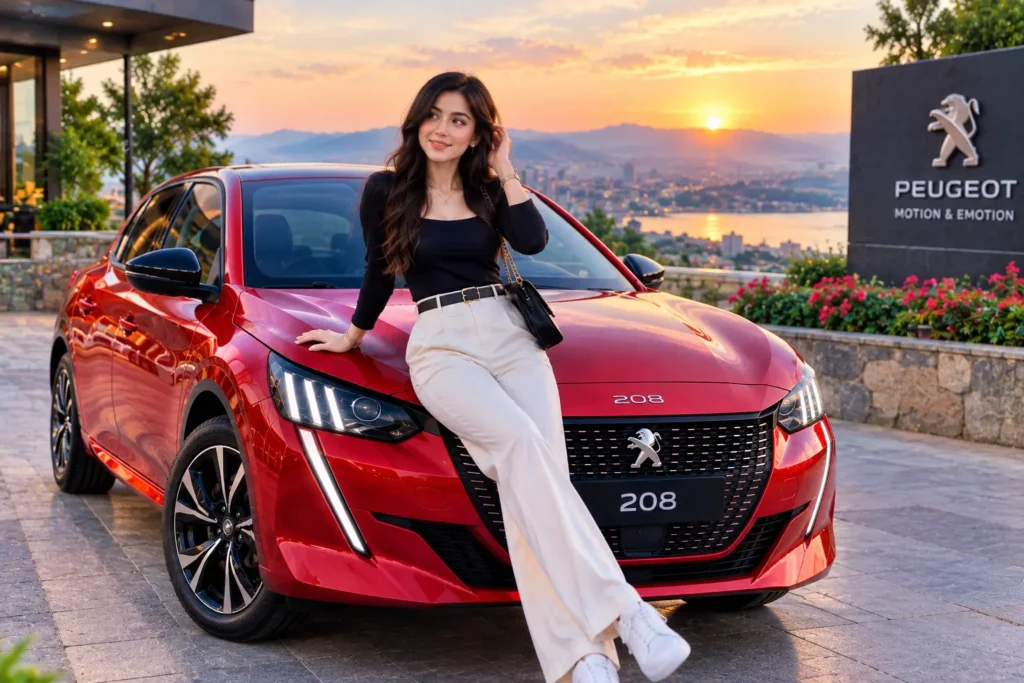
When searching for Peugeot cars, buyers often want to know much more than the price of a vehicle. They want to understand which model fits their lifestyle, how much it may cost to maintain, what technology is available, whether an electric or hybrid version makes sense, and what to check before buying.
Peugeot is a long-established French automotive brand with a broad range of passenger and commercial vehicles. Its modern lineup includes compact hatchbacks, SUVs and electrified vehicles, while exact models, engines and equipment can vary between countries and model years.
This guide takes a practical look at Peugeot cars, including popular models, powertrain choices, technology, safety, maintenance, ownership costs and used-car buying advice. Whether you are researching your first Peugeot or comparing several models, the information below can help you make a more informed choice.
What Makes Peugeot Cars Different?
Peugeot cars are known for combining distinctive European styling with technology-focused interiors and a range of powertrain choices.
One of the brand’s recognizable design ideas is its driver-focused cockpit layout. Depending on the model and trim, drivers may find a digital instrument display, compact steering wheel, touchscreen infotainment and smartphone connectivity.
However, technology is only one part of the ownership experience.
A good car should also suit your daily routine. Therefore, you should consider passenger space, luggage capacity, fuel or electricity costs, maintenance requirements, safety equipment and local servicing support before choosing a model.
Another important point is that specifications can change by market. A Peugeot available in one country may have different engines, trim levels or equipment in another. Consequently, always check the exact specification of the vehicle you plan to purchase.
Peugeot Cars for Different Types of Drivers
One reason the Peugeot range attracts different buyers is the variety of vehicle sizes and body styles.
For example, a city driver may prefer a compact hatchback, while a family may need an SUV with additional interior and luggage space. Meanwhile, drivers interested in electrification may prefer a hybrid or fully electric version where available.
Instead of asking which Peugeot is universally best, consider a more useful question:
Which Peugeot fits your driving needs?
Your answer should depend on:
- Daily mileage
- Number of passengers
- Parking conditions
- Road types
- Budget
- Fuel or charging access
- Desired technology
- Expected maintenance costs
- Long-distance driving requirements
This approach can prevent you from paying for features or vehicle size that you do not actually need.
Peugeot 208: Compact, Practical and City-Friendly
The Peugeot 208 is one of the most recognizable models in the Peugeot range.
As a compact hatchback, it can be particularly appealing to people who spend a lot of time in urban areas. A smaller body can make parking and maneuvering easier, while the interior can provide modern technology depending on the selected trim.
When researching a Peugeot 208, compare the following:
- Engine or electric powertrain
- Trim level
- Fuel or energy consumption
- Interior equipment
- Safety technology
- Infotainment features
- Warranty
- Service requirements
- Local parts availability
The 208 can also appeal to buyers who want a stylish small car without moving into a larger SUV.
Nevertheless, the exact experience depends on the model year and specification. Therefore, check the vehicle’s actual equipment rather than assuming every Peugeot 208 is identical.
Peugeot 2008: A Compact SUV for Everyday Life
The Peugeot 2008 is aimed at buyers who want SUV styling and additional practicality while keeping the vehicle relatively manageable for everyday driving.
Its elevated driving position can appeal to people who prefer a higher view of the road. At the same time, the compact-SUV format can remain practical for urban use.
A Peugeot 2008 may be worth considering if you want:
- A higher seating position
- More flexible passenger space
- Useful luggage capacity
- Modern infotainment
- Contemporary styling
- Petrol or electrified options where available
However, buyers should compare the exact engine, transmission, trim and equipment before purchasing.
For families, rear-seat comfort and luggage space should receive particular attention. For city drivers, turning space, parking assistance and fuel economy may be more important.
Peugeot 3008: A Larger SUV Option
For buyers who need more space than a compact SUV provides, the Peugeot 3008 can be an option to investigate.
The 3008 sits in a larger SUV category and can appeal to families, commuters and drivers who regularly travel longer distances.
When comparing this type of vehicle, do not focus only on exterior dimensions. Instead, look at practical details such as:
- Rear-seat space
- Boot capacity
- Driving position
- Ride comfort
- Powertrain choices
- Safety equipment
- Technology
- Maintenance requirements
A larger SUV may provide more space, but it can also involve different fuel, insurance and maintenance costs. Consequently, choose additional size only when it provides a real benefit for your lifestyle.
Peugeot 5008: More Flexibility for Families
The Peugeot 5008 is designed for buyers who need additional family-oriented practicality.
For larger households, seating flexibility can be just as important as engine performance. Therefore, check the exact seating configuration and luggage capacity before buying.
If you frequently carry several passengers, also consider how much cargo space remains available when all seats are occupied.
This is one area where a physical inspection and test drive can be especially useful. Online specifications provide important numbers, but sitting inside the vehicle gives you a better understanding of comfort and usability.
Choosing the Right Peugeot Powertrain
Modern Peugeot cars can be available with different types of powertrains depending on the model and market.
The main options buyers may encounter include petrol, hybrid and fully electric systems.
Petrol Peugeot Cars
A petrol Peugeot can be practical for drivers who want conventional refueling and do not have easy access to charging.
Petrol can also be convenient for people who regularly travel long distances and want the flexibility of refueling at established fuel stations.
However, real-world fuel consumption depends on driving style, traffic, vehicle load, road conditions and weather.
Therefore, do not treat an official consumption figure as a guaranteed result for every driver.
Peugeot Hybrid Cars
Hybrid technology combines an internal-combustion engine with electric assistance.
For some drivers, this can provide a useful middle ground between traditional petrol driving and full electrification.
Before choosing a hybrid Peugeot, think about:
- Your average daily distance
- Traffic conditions
- Fuel prices
- Charging requirements, if applicable
- Long-distance driving
- Battery warranty
- Local servicing
A hybrid makes the most sense when its technology matches your actual driving pattern.
Peugeot Electric Cars
Electric Peugeot cars can appeal to drivers who want quiet operation and an alternative to conventional fuel.
However, range is only one part of the electric-car equation.
Before buying an electric Peugeot, investigate:
- Home charging availability
- Public charging network
- Charging speed
- Daily driving distance
- Long-distance travel
- Electricity costs
- Battery warranty
- Local incentives
If you can charge conveniently at home and your daily mileage is predictable, an EV may fit your routine differently than it would for someone who regularly travels long distances without dependable charging access.
Peugeot Cars and Interior Technology
Modern buyers expect technology to make driving easier, not simply make a vehicle look more advanced.
Depending on the model and trim, Peugeot cars can offer features such as:
- Digital instrument displays
- Touchscreen infotainment
- Smartphone connectivity
- Navigation
- Voice controls
- USB connectivity
- Digital climate controls
- Parking sensors
- Rear-view cameras
- Driver-assistance systems
Nevertheless, equipment can differ between trims.
For this reason, compare the actual equipment list of the vehicle you want to buy.
A lower-priced trim may have everything you need, while a more expensive version may add features that are less important to your daily driving.
Peugeot Safety Features to Consider
Safety should be one of the first things you investigate when choosing a car.
Depending on the model, year and trim, available driver-assistance technology may include:
- Automatic emergency braking
- Lane-keeping assistance
- Adaptive cruise control
- Blind-spot monitoring
- Parking sensors
- Rear-view camera
- Electronic stability control
- Tire-pressure monitoring
- Multiple airbags
These technologies can provide useful assistance. However, they are not substitutes for attentive driving.
When comparing Peugeot cars, consider the safety equipment that is actually included in the specific trim rather than assuming that every version offers identical technology.
Peugeot Reliability: What Should You Check?
Reliability is one of the most common concerns when people research Peugeot cars.
However, it is not accurate to judge every vehicle from an entire brand in exactly the same way.
Reliability can depend on:
- Model
- Model year
- Engine
- Transmission
- Mileage
- Service history
- Driving conditions
- Previous repairs
- Parts quality
This is particularly important when purchasing a used Peugeot.
Instead of asking only whether Peugeot is reliable, investigate the exact car you are considering.
Check its maintenance records, previous repairs and inspection history. If possible, have a qualified mechanic inspect the vehicle before you complete the purchase.
Peugeot Maintenance and Servicing
Regular maintenance plays an important role in keeping any Peugeot car safe and dependable.
Your exact service requirements should come from the owner’s manual and manufacturer recommendations for your vehicle.
Depending on the model, routine maintenance can involve:
- Engine oil
- Oil filter
- Air filter
- Cabin filter
- Brake components
- Tires
- Coolant
- Brake fluid
- Battery
- Suspension
- Lights
- Electrical systems
Furthermore, pay attention to warning signs.
Unusual noises, warning lights, fluid leaks, changes in braking performance or unusual steering behavior should not be ignored.
Small issues can sometimes become more expensive when they are left untreated.
Understanding Peugeot Ownership Costs
The purchase price is only one part of the cost of owning a Peugeot.
A realistic budget should also consider:
- Fuel or electricity
- Insurance
- Registration
- Scheduled servicing
- Tires
- Replacement parts
- Repairs
- Financing
- Depreciation
For example, two Peugeot cars with similar purchase prices may have different ownership costs because of their engines, tire sizes, insurance rates or maintenance requirements.
Therefore, compare the total expected cost instead of looking only at the showroom price.
New Peugeot Cars vs Used Peugeot Cars
The choice between a new and used Peugeot depends on your priorities.
Advantages of a New Peugeot
A new Peugeot can provide:
- Current model-year equipment
- Applicable factory warranty
- Newer technology
- No previous wear
- More configuration choices
- The latest available safety features
However, the initial purchase price may be higher.
Benefits of a Used Peugeot
A used Peugeot may offer:
- Lower purchase price
- Reduced initial depreciation
- More vehicle choices within a fixed budget
- Access to higher trim levels for less money
The biggest difference is that condition becomes much more important.
Before buying a used Peugeot, check:
- Service history
- Mileage
- Engine condition
- Transmission
- Brakes
- Tires
- Suspension
- Electrical equipment
- Accident history
- Previous ownership
An independent inspection can be especially useful if you are buying an older or high-mileage vehicle.
How to Choose the Right Peugeot Car
Choosing the right model becomes easier when you follow a structured process.
Step 1: Identify Your Driving Needs
Think about where you drive most often.
If you mainly drive in cities, a compact hatchback may be practical. If you regularly carry passengers or luggage, an SUV may make more sense.
Step 2: Set a Realistic Budget
Do not calculate only the purchase price.
Include insurance, fuel, servicing, tires, registration and possible repairs.
Step 3: Compare Powertrains
Consider petrol, hybrid and electric options according to your driving routine.
Step 4: Compare Trim Levels
Look carefully at the equipment included with each version.
Step 5: Check Local Support
Find out whether authorized service facilities and replacement parts are easily available in your area.
Step 6: Take a Test Drive
During the test drive, pay attention to:
- Driving position
- Visibility
- Steering
- Braking
- Ride comfort
- Transmission
- Cabin noise
- Infotainment
- Parking visibility
Step 7: Inspect the Exact Vehicle
For used Peugeot cars, verify the service history and arrange an inspection where possible.
Common Mistakes When Buying Peugeot Cars
Even after researching several models, buyers can make avoidable mistakes.
Choosing Only by Appearance
A stylish car may attract your attention, but practicality and running costs matter more over several years.
Ignoring the Service History
For used cars, incomplete maintenance records should encourage additional investigation.
Comparing Only Purchase Prices
A cheaper vehicle is not necessarily cheaper to own.
Ignoring the Trim Level
Safety and convenience features can vary significantly between versions.
Skipping the Test Drive
A test drive can reveal problems that photographs and specifications cannot show.
Choosing an EV Without Planning Charging
Electric vehicles work best when charging fits naturally into your routine.
Forgetting Local Service Availability
Before buying, check whether qualified technicians and suitable parts are available nearby.
Peugeot Cars: Which Model Should You Research First?
There is no single Peugeot car that fits every driver.
Instead, start with your lifestyle.
For city driving: investigate the Peugeot 208 and similar compact options.
For a compact SUV: explore the Peugeot 2008.
Also, For additional family space: compare larger SUVs such as the Peugeot 3008 and 5008 where available.
For electrified driving: investigate the electric and hybrid versions offered in your market.
The key is to compare the exact model, engine, trim and model year.
For additional Peugeot information, you can also explore the other guides available on PeugeotDrive. The site’s existing content covers subjects including the Peugeot 208, Peugeot 2008, maintenance, safety, ownership costs and electric or hybrid driving.
Why Research Matters Before Buying Peugeot Cars
Buying a vehicle is a significant financial decision. Therefore, spending time researching the car before visiting a dealer can save you from making an unsuitable purchase.
Start by identifying your requirements. Then compare models and powertrains. After that, investigate running costs and maintenance.
For a used vehicle, take an additional step by checking its history and arranging a professional inspection.
Also remember that prices, equipment, engines and availability can change between countries and model years.
Consequently, always verify important specifications with current manufacturer or dealer information before signing a purchase agreement.
Final Thoughts
Peugeot cars offer buyers a range of choices, from compact hatchbacks to practical SUVs and electrified vehicles.
The Peugeot 208 can appeal to urban drivers who want a compact vehicle. The 2008 offers a more SUV-oriented format, while larger models such as the 3008 and 5008 can provide additional space for families. Hybrid and electric options may also suit drivers whose daily routines support electrification.
However, the right Peugeot is not simply the newest, largest or most expensive model.
Instead, focus on the vehicle that matches your actual needs.
Compare the model, engine, transmission, trim, safety equipment, maintenance requirements and expected running costs. If you are buying used, check the service history and consider a professional inspection.
Most importantly, verify the exact specifications for your country and model year. With careful research, you can narrow down the Peugeot cars that genuinely fit your lifestyle and make a more informed purchasing decision.
Frequently Asked Questions About Peugeot Cars
1. What are Peugeot cars known for?
Peugeot cars are known for distinctive European styling, technology-focused interiors, a range of hatchbacks and SUVs, and the availability of electrified powertrains in selected markets.
2. Is Peugeot a good car brand?
Peugeot offers a broad range of vehicles, but suitability depends on the specific model, year, engine, condition, maintenance history and local support. Buyers should research the exact vehicle rather than relying only on brand reputation.
3. Which Peugeot car is good for city driving?
The Peugeot 208 is a compact hatchback that can suit urban driving because its relatively small dimensions can make parking and maneuvering easier.
4. Is the Peugeot 2008 suitable for families?
The Peugeot 2008 can suit families looking for a compact SUV. However, buyers should check rear-seat comfort, luggage space and the exact trim before purchasing.
5. Are Peugeot cars expensive to maintain?
Maintenance costs vary according to the model, engine, mileage, location, labor rates and replacement-part prices. Checking local servicing costs before buying can provide a more realistic ownership budget.
6. Does Peugeot make electric cars?
Yes. Peugeot offers electric vehicles in its range, although specific models, battery configurations and availability vary by market and model year.
7. Are Peugeot hybrid cars worth considering?
A hybrid can be suitable for drivers who want electric assistance while retaining the flexibility of an internal-combustion engine. The best choice depends on driving distance, fuel costs, charging access and local conditions.
8. What should I check when buying a used Peugeot?
Check the service history, mileage, engine, transmission, brakes, tires, suspension, electronics and accident history. An independent inspection is also recommended when practical.
9. Should I buy a new or used Peugeot?
A new Peugeot can provide the latest available equipment and applicable warranty coverage, while a well-maintained used Peugeot may offer a lower purchase price. Compare total ownership costs before deciding.
10. How do I choose the right Peugeot car?
Start with your budget and daily driving requirements. Then compare body style, powertrain, passenger space, safety equipment, technology, maintenance costs and local service support