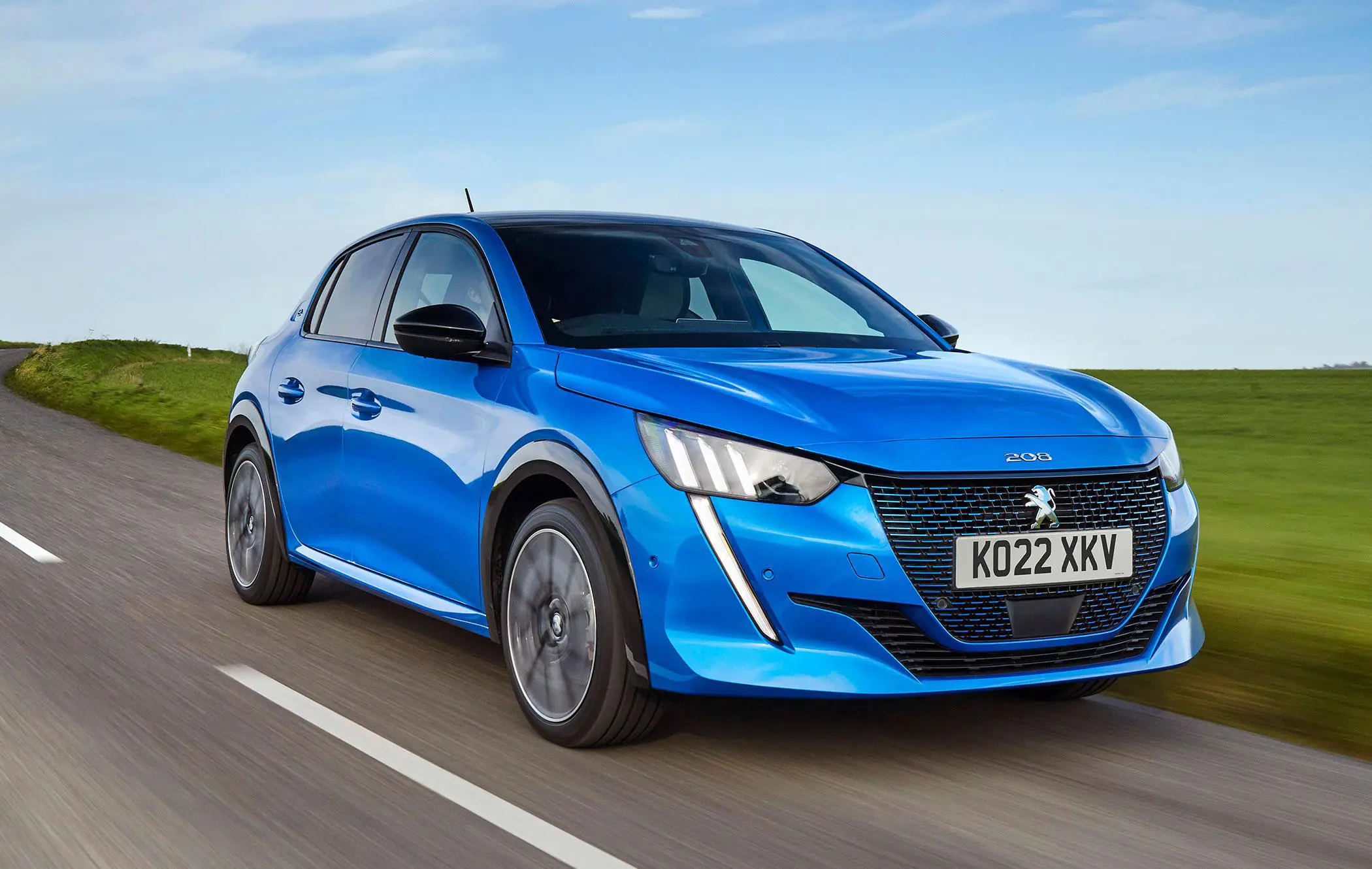
The Peugeot 208 Problems and Common Issues are important to understand before buying a used model or spending money on repairs. The Peugeot 208 is a popular small hatchback in the UK, offering attractive styling, a comfortable interior and efficient petrol, diesel and electric options. However, like any car, it can develop mechanical and electrical faults as it gets older.
Some problems are relatively minor, such as touchscreen glitches and interior rattles. Others, particularly problems involving the 1.2 PureTech petrol engine and its wet timing belt, can result in expensive repairs.
In this guide, we explain the most common Peugeot 208 faults, their warning signs, affected engine types and the checks you should complete before buying a used example.
Is the Peugeot 208 a Reliable Car?
The Peugeot 208 can be a good everyday car, but its reliability depends heavily on the engine, model year and maintenance history.
The first-generation model (2012–2019) and second-generation model (2019 onwards) have different equipment and mechanical systems. Therefore, it is important not to treat every Peugeot 208 as having the same problems.
The 1.2 PureTech petrol engine deserves particular attention because some versions have experienced premature wet timing belt deterioration and excessive oil consumption. Diesel versions can also develop emissions-system problems, while older models may suffer from electrical and infotainment faults.
A properly maintained Peugeot 208 can still be a sensible used-car purchase. However, checking its service records and repair history is essential.
1. Peugeot 208 PureTech Engine Problems
One of the most important issues to investigate is the 1.2 PureTech petrol engine.
Some earlier 1.2 PureTech engines use a wet timing belt, meaning the belt operates inside the engine and is exposed to engine oil. Over time, certain belts can deteriorate prematurely.
As the belt breaks down, small particles can circulate through the lubrication system and potentially block the oil pickup strainer. This can reduce oil pressure and cause serious engine damage.
If you want to understand this issue in more detail, read our guide to Peugeot PureTech engine problems.
Common warning signs
- Engine oil pressure warning on the dashboard.
- Unusual engine noises or knocking.
- Excessive oil consumption.
- Engine warning lights.
- Reduced engine performance.
- Brake assistance problems in certain cases.
How to reduce the risk
Check the vehicle’s service history and confirm whether the correct oil specification has been used. Ask whether the timing belt has been inspected or replaced and request an invoice.
Peugeot has introduced additional customer support for eligible previous-generation 1.0 and 1.2 PureTech engines. The programme can cover certain timing belt deterioration and excessive oil consumption repairs for up to 10 years or 112,000 miles, subject to conditions.
You can find the official eligibility information on Peugeot UK’s PureTech engine support page.
Importantly, this is not automatic coverage for every Peugeot 208. Check eligibility directly with Peugeot.
2. Peugeot 208 Excessive Oil Consumption
Some Peugeot 208 petrol engines have also experienced excessive oil consumption.
Although a small amount of oil consumption can be normal, repeatedly needing to top up the engine is something you should investigate.
Possible causes include internal engine wear, piston-related problems, oil leaks or issues associated with particular PureTech engine generations.
Symptoms to watch for
- Oil level dropping between services.
- Frequent oil top-ups.
- Blue smoke from the exhaust.
- Engine warning messages.
- Unusual engine noises.
Check the oil level before a test drive and again according to the manufacturer’s checking procedure. If the vehicle has a history of repeated oil consumption, arrange an inspection by a qualified mechanic before buying it.
3. Peugeot 208 Wet Timing Belt Problems
The wet timing belt issue deserves separate attention because ignoring it can lead to major engine damage.
Unlike a conventional dry timing belt, the wet belt operates in engine oil. If its material deteriorates, debris can contaminate the lubrication system.
A blocked oil pickup can reduce oil circulation and potentially damage important engine components.
What should owners check?
- Whether the belt has been inspected.
- Whether the correct replacement interval has been followed.
- Whether previous belt replacement invoices are available.
- Whether the engine has experienced low oil pressure.
- Whether the oil specification matches Peugeot’s requirements.
Do not rely on a seller’s statement that the timing belt is fine. Ask for documented maintenance evidence and have the vehicle checked by a specialist familiar with PureTech engines.
4. Peugeot 208 Electrical Problems
Electrical issues are another area worth checking, particularly on older and higher-mileage examples.
Owners have reported problems involving dashboard displays, warning lights, sensors and electrical accessories. However, these symptoms do not always indicate a major electrical failure.
A weak battery, damaged wiring, poor connections or a faulty sensor can sometimes produce similar symptoms.
Common electrical symptoms
- Dashboard warning lights appearing unexpectedly.
- Central locking problems.
- Electric window faults.
- Parking sensor malfunctions.
- Intermittent starting problems.
- Electrical accessories stopping unexpectedly.
If several warning lights appear together, arrange a diagnostic scan rather than replacing parts without identifying the cause.
You can also read our detailed guide to Peugeot dashboard warning lights and their meanings to understand common dashboard alerts and when professional assistance may be necessary.
5. Peugeot 208 Touchscreen and Infotainment Problems
Some first-generation Peugeot 208 models have experienced touchscreen and multimedia system glitches.
The screen may freeze, respond slowly or temporarily stop working. Bluetooth connectivity and smartphone connections can also be inconsistent on certain versions.
Possible symptoms include:
- Frozen infotainment screen.
- Bluetooth connection interruptions.
- Radio controls becoming unresponsive.
- Navigation system glitches.
- Repeated system restarts.
Before purchasing a used 208, test the touchscreen, radio, Bluetooth, navigation and steering-wheel controls. Check that the system starts correctly after switching the ignition off and on.
6. Peugeot 208 Gearbox and Clutch Problems
Gearbox and clutch issues can occur as the car ages, particularly when it has been driven frequently in heavy traffic.
Manual versions may develop clutch wear, difficult gear selection or a stiff gear lever.
Some older automatic and automated manual versions can also feel hesitant or jerky. It is important to identify which gearbox is fitted because the different transmission types do not share exactly the same characteristics.
Warning signs
- Difficulty selecting first or reverse gear.
- Clutch slipping during acceleration.
- Juddering when moving away.
- Unusual noises when changing gears.
- Delayed or jerky automatic gear changes.
During a test drive, check every gear and pay attention to clutch engagement. For automatic versions, test the transmission when cold and after it has warmed up.
Do not automatically assume that every hesitation is a gearbox failure. A professional inspection can help identify the actual cause.
7. Peugeot 208 Suspension and Steering Problems
Suspension components can wear over time, especially on cars regularly driven over potholes and uneven roads.
Common areas to inspect include suspension bushes, drop links, shock absorbers and other worn components.
Possible symptoms
- Knocking sounds over speed bumps.
- Unusual vibration.
- Uneven tyre wear.
- Poor ride comfort.
- Clunking noises when turning.
Steering should also feel smooth and consistent. If the car pulls to one side or produces unusual noises, have the tyres, alignment and steering components inspected.
8. Peugeot 208 Diesel Problems
Diesel Peugeot 208 models can be economical for drivers covering longer distances. However, they have additional emissions-related components that may need attention.
Depending on the engine and model year, potential problems include:
- AdBlue system warnings.
- Diesel particulate filter (DPF) blockage.
- Exhaust emissions faults.
- EGR system problems.
- Diesel fuel system faults.
A blocked DPF can become more likely when a diesel car is mainly used for short journeys because the exhaust may not reach the conditions needed for regeneration.
Some 1.5 BlueHDi engines have also been affected by camshaft chain concerns. Check the vehicle identification number (VIN) with Peugeot to establish whether any relevant campaign or repair applies.
For further information, consult Peugeot UK’s official 1.5 BlueHDi information page.
Before buying a diesel 208, check for warning messages, incomplete repairs and evidence of regular maintenance.
9. Peugeot 208 Water Leaks and Interior Problems
Older Peugeot 208 models can also develop minor bodywork and interior issues.
One reported problem involves the rear washer fluid pipe leaking and allowing water to enter the boot area.
Other things worth checking include:
- Damp carpets and boot lining.
- Water around the rear washer system.
- Loose interior trim.
- Boot latch rattles.
- Damaged seat adjustment mechanisms.
- Unusual noises from the dashboard.
Check the boot floor, spare-wheel area and carpets carefully for signs of moisture. A persistent water leak can eventually cause unpleasant smells and electrical problems.
10. Peugeot e-208 Electric Problems
The fully electric Peugeot e-208 has a different set of mechanical components from petrol and diesel models.
It does not have a conventional petrol engine, clutch or wet timing belt. However, buyers should still inspect its electrical and charging systems.
Potential areas to check include:
- Charging connection problems.
- Charging interruptions.
- 12-volt battery issues.
- Infotainment and software glitches.
- Battery health and driving range.
- Heating and climate-control operation.
Check that the vehicle charges correctly using compatible equipment. Also, ask for a battery health report where available and check whether the car has completed relevant software updates and recalls.
How Much Does It Cost to Fix Peugeot 208 Problems?
Repair costs depend on the model year, engine, parts required and labour rates. The following are broad budgeting estimates rather than confirmed Peugeot dealer prices.
| Repair type | Indicative UK budget |
|---|---|
| Diagnostic scan | £50–£120 |
| Battery replacement | £100–£250 |
| Brake repairs | £100–£450 |
| Suspension repairs | £150–£600 |
| Touchscreen/electrical diagnosis | £50–£150 |
| Timing belt replacement | £700–£1,200+ |
| Major engine repairs | £1,500–£5,000+ |
Actual quotations can vary considerably. In particular, a wet timing belt repair is not the same as repairing an engine that has already suffered oil starvation.
If you suspect low oil pressure, stop the engine safely and seek professional assistance. Continuing to drive could make the damage worse.
For more information about budgeting for routine maintenance and repairs, see our guide to Peugeot service costs and maintenance.
What to Check Before Buying a Used Peugeot 208
Buying a used Peugeot 208 does not have to be risky. The key is to inspect the vehicle properly and avoid examples with incomplete maintenance records.
Use this checklist before agreeing to a purchase:
- Check the complete service history.
- Confirm the exact engine and gearbox.
- Ask about PureTech timing belt inspection or replacement.
- Check for excessive oil consumption.
- Look for engine warning lights.
- Test the touchscreen and electrical equipment.
- Listen for suspension knocks.
- Test the clutch and gearbox.
- Inspect the boot and carpets for water leaks.
- Check diesel emissions-system warnings where applicable.
- Review the MOT history.
- Check outstanding safety recalls using the registration number.
- Arrange an independent mechanical inspection.
You can use the official GOV.UK vehicle recall checker to look for outstanding safety recalls. It is also worth checking the vehicle’s MOT history before making a decision.
You should also request a cold start. This can help identify unusual noises and starting issues that might not be obvious after the engine has warmed up.
Which Peugeot 208 Models Should You Be Careful With?
There is no single model year that every buyer should automatically avoid. The engine, maintenance history and previous repairs matter more than the registration year alone.
However, buyers should pay particular attention to:
Older 1.2 PureTech petrol models: Check wet timing belt condition, oil consumption and documented servicing.
1.5 BlueHDi diesel models: Investigate AdBlue and emissions-system warnings, and check for applicable camshaft chain campaigns.
Older high-mileage examples: Inspect the clutch, suspension, brakes, electrical equipment and general service history.
Used e-208 models: Check battery condition, charging operation, software updates and service records.
A well-maintained example with documented repairs can be a better purchase than a newer car with an unknown history.
If you are comparing other Peugeot models, our guide to Peugeot 2008 problems and reliability can help you understand the issues to consider with another popular Peugeot SUV.
Is the Peugeot 208 Worth Buying Despite These Problems?
Yes, the Peugeot 208 can still be worth considering if you choose the right version and carry out proper checks.
It offers attractive styling, a compact size, useful technology and a comfortable driving experience. The electric e-208 also provides an alternative for drivers who want to move away from petrol and diesel.
Nevertheless, engine choice is particularly important. If you are considering a PureTech petrol model, investigate its timing belt and oil consumption history before buying. Diesel buyers should pay attention to emissions equipment and applicable recalls.
Ultimately, do not purchase a used Peugeot 208 based on appearance or mileage alone. A documented service history and independent inspection can make a significant difference.
Frequently Asked Questions
1. What are the most common Peugeot 208 problems?
Commonly reported problems include PureTech wet timing belt deterioration, excessive oil consumption, electrical faults, touchscreen glitches, clutch wear, suspension noises and diesel emissions-system issues.
2. Is the Peugeot 208 1.2 PureTech engine reliable?
It can provide good everyday performance, but certain earlier versions have experienced wet timing belt deterioration and excessive oil consumption. Check the engine history and applicable Peugeot support coverage before buying.
3. What is the Peugeot 208 wet belt problem?
The wet timing belt operates inside the engine oil. Some belts can deteriorate prematurely, releasing material that may block the oil pickup and cause low oil pressure or serious engine damage.
4. Does the Peugeot 208 have gearbox problems?
Some owners report clutch wear, difficult gear selection and jerky behaviour from certain transmissions. The exact gearbox type and maintenance history should be checked.
5. Is the Peugeot 208 expensive to maintain?
Routine maintenance can be reasonable for a small hatchback. However, major engine, emissions-system or electrical repairs can become expensive, particularly when problems are left unresolved.
6. Are diesel Peugeot 208 models reliable?
Diesel versions can be suitable for regular longer journeys. However, buyers should inspect the DPF, AdBlue system, EGR components and, where applicable, the 1.5 BlueHDi camshaft chain.
7. Is the electric Peugeot e-208 reliable?
The e-208 avoids petrol-engine and diesel-related problems, including wet timing belt faults. However, its battery, charging system, software and electrical equipment still need proper inspection.
8. Should I avoid buying a used Peugeot 208?
Not necessarily. A well-maintained example with a documented service history can be a sensible purchase. Pay particular attention to engine-specific faults and outstanding recalls.
9. How can I check whether my Peugeot 208 has a recall?
Use the official GOV.UK vehicle recall checker. Enter the registration number to see outstanding safety recalls and available MOT history information.
10. What is the biggest problem with the Peugeot 208?
For buyers considering earlier 1.2 PureTech petrol models, wet timing belt deterioration is one of the most important issues because it can lead to oil pressure problems and expensive engine damage.