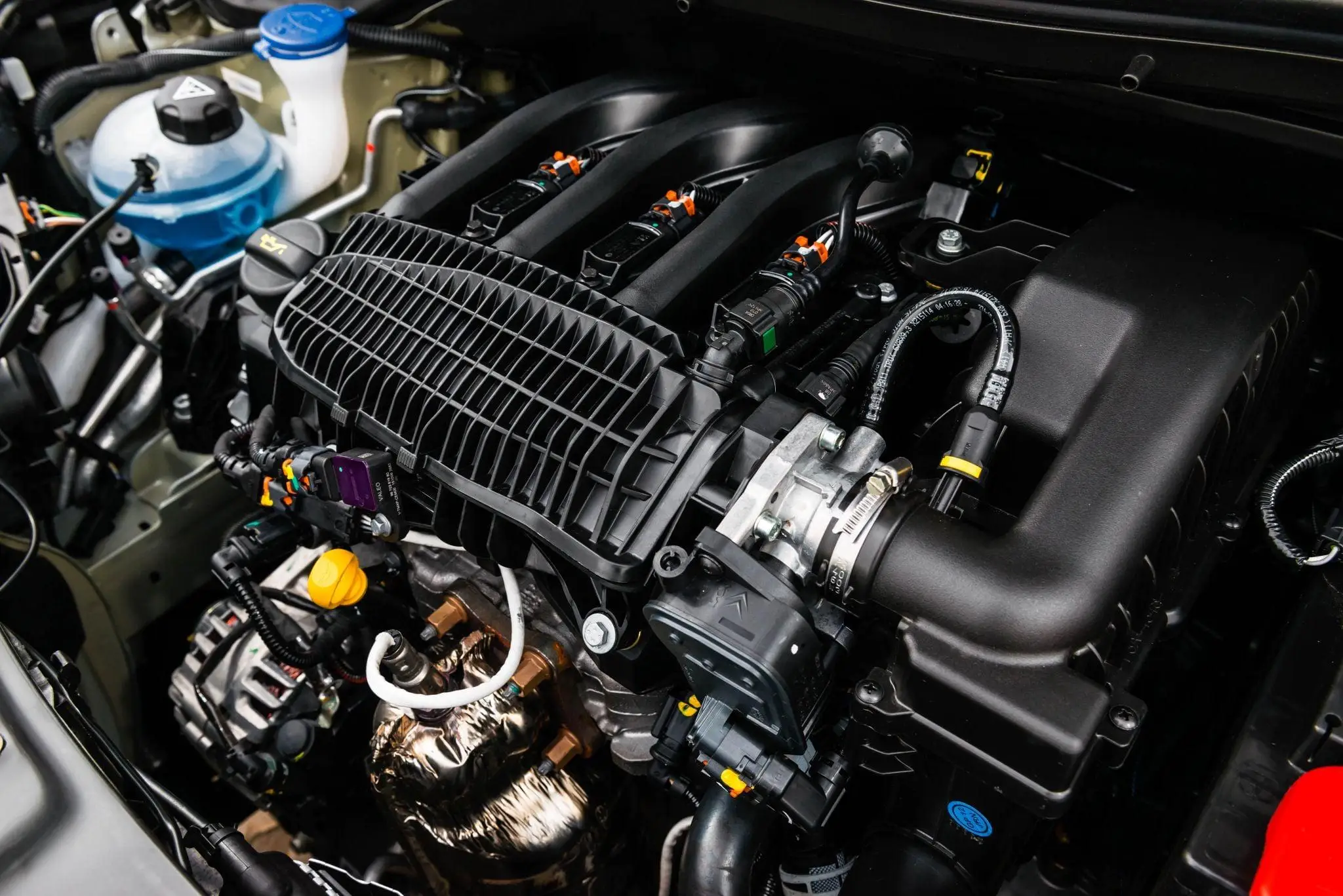
The Peugeot PureTech engine problems reported by owners have become an important consideration for anyone buying or running a Peugeot petrol car. Although the 1.2-litre PureTech engine was developed to deliver a combination of performance, fuel efficiency and lower emissions, certain earlier versions have experienced reliability concerns, particularly involving the timing belt and excessive oil consumption.
The most widely discussed issue is the wet timing belt, which operates inside the engine and relies on the correct engine oil for lubrication. In affected engines, premature belt deterioration can release debris into the lubrication system, potentially restricting oil flow and causing serious mechanical damage.
However, not every PureTech engine is affected in the same way. Peugeot has introduced technical changes, additional customer support measures and newer engine designs. Understanding the differences between engine generations is essential before buying a used Peugeot or arranging repairs.
In this guide, we explain the most common Peugeot PureTech engine problems, their warning signs, affected engine versions, maintenance considerations and the support available to UK owners.
What Is the Peugeot PureTech Engine?
The Peugeot PureTech is a family of petrol engines developed by PSA, now part of Stellantis. The three-cylinder 1.2-litre version became particularly popular because it offered a relatively compact design, competitive performance and fuel efficiency.
It has been used in several Peugeot models, including different generations and versions of the:
- Peugeot 208
- Peugeot 2008
- Peugeot 308
- Peugeot 3008
- Peugeot 5008
- Peugeot 508
The exact engine, timing system and specification depend on the vehicle’s production date, generation and powertrain.
Earlier 1.2 PureTech engines are particularly associated with the wet timing belt design. This belt runs in engine oil rather than operating outside the engine like a conventional dry timing belt.
Although the design was intended to reduce friction and improve efficiency, premature belt deterioration became a recognised concern in certain engine generations.
Peugeot has acknowledged quality issues affecting some PureTech engines and introduced special coverage and customer support arrangements.
What Are the Most Common Peugeot PureTech Engine Problems?
The most significant concerns relate to timing belt deterioration and excessive oil consumption. Other symptoms can develop as a consequence of these problems.
Here are the main issues owners and prospective buyers should understand.
1. Wet Timing Belt Deterioration
The wet timing belt is the most widely discussed issue associated with earlier 1.2 PureTech engines.
Unlike a conventional timing belt, which operates outside the engine, a wet belt runs inside the engine and is continuously exposed to engine oil.
Over time, the belt material can deteriorate, particularly when oil quality, servicing or operating conditions are not suitable.
As the belt wears, small pieces of rubber can separate and circulate through the lubrication system. These particles may collect around the oil pickup strainer and restrict the flow of oil.
This can result in low oil pressure and potentially serious engine damage if the problem is not addressed.
Warning signs to look out for:
- Visible deterioration or swelling of the timing belt.
- Low oil pressure warning on the dashboard.
- Unusual engine noises.
- Changes in engine performance.
- Oil pressure-related fault messages.
A visual inspection by a qualified technician is important because the belt may deteriorate before obvious symptoms appear.
2. Excessive Engine Oil Consumption
Another recognised concern involves some 1.2 PureTech turbocharged engines using more engine oil than expected.
Peugeot’s UK customer support information identifies different oil-consumption issues associated with particular engine production periods.
These include:
- Piston ring-related oil consumption in certain earlier turbo engines.
- Oil separator-related oil consumption in certain later Euro 6.2 and subsequent engines.
Excessive oil consumption should not automatically be attributed to the timing belt. It can have different underlying causes depending on the engine version.
Possible warning signs include:
- Regularly needing to top up engine oil.
- Oil levels falling noticeably between services.
- Blue smoke from the exhaust.
- Oil-related warning messages.
- Unusual engine operation.
If your Peugeot requires frequent oil top-ups, arrange a professional diagnosis rather than simply continuing to add oil.
3. Low Engine Oil Pressure
Low oil pressure is one of the more serious potential consequences of wet belt deterioration.
When belt material breaks down, debris can restrict parts of the lubrication system. This may prevent sufficient oil from reaching important engine components.
Without adequate lubrication, internal components can experience excessive friction and wear.
A low oil pressure warning should never be ignored.
If the warning appears, stop safely as soon as possible, switch off the engine and consult the vehicle handbook or roadside assistance. Do not continue driving simply because the engine still appears to run normally.
A technician should investigate the cause before the vehicle returns to regular use.
4. Engine Damage Following Belt Failure
A deteriorating timing belt can eventually become a much more expensive problem.
If the belt fails or its timing function is compromised, the engine may suffer significant internal damage.
Depending on the extent of the failure, repairs could involve:
- Replacing the timing belt and associated components.
- Cleaning the lubrication system.
- Inspecting or replacing the oil pump.
- Repairing damaged engine components.
- Rebuilding or replacing the engine in severe cases.
The final repair cost depends on the vehicle, engine version, labour requirements and extent of the damage. There is no single reliable repair price that applies to every PureTech engine.
Early diagnosis is generally preferable to waiting for a breakdown.
5. Engine Performance and Running Problems
Some drivers may experience changes in engine performance when an underlying mechanical fault develops.
Possible symptoms include:
- Rough engine operation.
- Reduced acceleration.
- Unusual mechanical noises.
- Warning lights.
- Increased oil consumption.
These symptoms are not exclusive to PureTech engines. Ignition, fuel delivery, sensors, turbocharger and other mechanical problems can produce similar behaviour.
A proper diagnostic assessment is necessary before replacing parts.
Which Peugeot PureTech Engines Are Affected?
Not all Peugeot PureTech engines share the same problems. The production period, engine code, emissions specification and technical revision can make a significant difference.
Peugeot’s UK support documentation identifies particular production periods associated with the recognised timing belt and oil-consumption concerns.
| Engine version | Main concern identified |
|---|---|
| 1.0 and 1.2 PureTech naturally aspirated, produced June 2012–June 2022 | Premature timing belt deterioration |
| 1.2 PureTech turbo, produced April 2014–June 2022 | Premature timing belt deterioration |
| 1.2 PureTech turbo before Euro 6.2, produced April 2014–July 2018 | Piston ring-related excessive oil consumption |
| 1.2 PureTech turbo Euro 6.2 and later, produced February 2018–February 2023 | Oil separator-related excessive oil consumption |
These are production periods identified in Peugeot’s UK reimbursement terms for specified repair claims. They should not be interpreted as a complete list of every affected vehicle or a guarantee that every engine in those periods will develop a fault.
The vehicle identification number (VIN), engine code and official maintenance records are important when establishing the exact specification.
Are Newer PureTech Engines Better?
Peugeot and Stellantis have introduced technical changes to address concerns associated with earlier PureTech engines.
Some later engine versions use revised components, while newer powertrains have adopted a different timing system.
For example, Peugeot introduced its 48V hybrid powertrain with significant changes to the 1.2-litre engine architecture.
In March 2026, Peugeot also announced the new Turbo 100 petrol engine for the 208 and 2008. This engine features a timing chain instead of the previous wet-belt arrangement and incorporates approximately 70% new components by value.
That is an important distinction for buyers, but a newer design should not automatically be assumed to be fault-free. Long-term reliability depends on real-world use, maintenance and future evidence.
Peugeot PureTech Wet Belt Problems: Why Does the Belt Fail?
Understanding the wet belt design helps explain why this issue has attracted so much attention.
A conventional timing belt operates outside the engine and is generally protected from direct contact with engine oil.
A wet timing belt, however, operates inside the engine and is exposed to the lubricant.
The system depends on compatible oil and appropriate servicing to maintain the belt’s condition.
When the belt deteriorates prematurely, the process can develop as follows:
- The belt material begins to break down.
- Small rubber particles separate from its surface.
- Debris enters the engine lubrication system.
- The oil pickup strainer may become restricted.
- Engine oil pressure can fall.
- Continued operation may cause serious internal damage.
This is why correct oil specification and maintenance history are particularly important for older wet-belt PureTech engines.
Owners should follow the exact oil grade and replacement schedule specified for their vehicle rather than relying on a generic recommendation.
How to Recognise Peugeot PureTech Engine Problems
Early identification can help prevent a relatively manageable maintenance issue from becoming a major mechanical repair.
Pay attention to the following warning signs:
| Warning sign | Possible explanation | Recommended action |
|---|---|---|
| Low oil pressure warning | Restricted lubrication or another oil pressure fault | Stop safely and seek assistance |
| Frequent oil top-ups | Excessive oil consumption or an oil leak | Arrange an inspection |
| Visible belt deterioration | Premature timing belt wear | Arrange a qualified inspection |
| Unusual engine noise | Possible mechanical or lubrication issue | Have the engine checked |
| Reduced performance | Possible engine management or mechanical fault | Obtain a diagnostic assessment |
| Blue exhaust smoke | Possible oil burning | Arrange a professional diagnosis |
These symptoms are indicators, not definitive diagnoses.
A qualified technician should inspect the vehicle and establish the underlying cause.
Peugeot PureTech Engine Maintenance: How Can Owners Reduce the Risk?
Regular maintenance is particularly important for engines fitted with a wet timing belt.
Although no maintenance routine can guarantee that a component will never fail, following the manufacturer’s recommendations can help reduce avoidable risks.
Use the Correct Engine Oil
Always use an oil grade and specification approved for your exact engine.
The wrong oil can affect the durability of components designed to operate in contact with engine lubricant.
Check the owner’s handbook or obtain the correct specification from a Peugeot retailer or qualified specialist.
Follow the Correct Servicing Schedule
Do not assume that every PureTech engine has the same service interval.
Maintenance requirements vary according to engine generation, vehicle and production date.
Keep detailed invoices and service records, particularly if you intend to sell the vehicle or submit a warranty or customer support claim.
Check the Timing Belt Condition
Ask a qualified technician to inspect the timing belt at the appropriate service intervals.
If you are purchasing a used Peugeot with an earlier 1.2 PureTech engine, request evidence of its belt inspection and replacement history.
Do not rely exclusively on the seller’s verbal assurance that the belt is in good condition.
Monitor Oil Levels
Check engine oil regularly using the method described in your vehicle handbook.
If the oil level falls unexpectedly, investigate the reason rather than assuming normal consumption.
Avoid overfilling the engine, as this can create additional mechanical problems.
Keep All Maintenance Records
Retain invoices showing:
- Service dates and mileage.
- Oil grade and specification.
- Timing belt inspections.
- Timing belt replacement.
- Diagnostic reports.
- Previous engine repairs.
These documents can be important when assessing a vehicle’s condition and establishing eligibility for manufacturer support.
Peugeot PureTech Engine Warranty and Compensation in the UK
One important development for affected owners is Peugeot’s special coverage and customer support programme.
Peugeot introduced extended coverage in March 2024 for specified previous generations of 1.0 and 1.2 PureTech engines.
According to Peugeot UK, eligible repairs relating to premature timing belt deterioration and excessive oil consumption may receive coverage for up to 10 years or 112,000 miles, whichever applicable limit is reached first, subject to the programme’s conditions.
However, this is not an unconditional warranty for every Peugeot PureTech vehicle.
Eligibility depends on the engine, fault, vehicle age, mileage, maintenance history and applicable programme terms.
Can Peugeot Owners Claim Compensation?
Yes, some owners who have already paid for qualifying repairs may be able to submit a reimbursement claim.
Stellantis announced an additional European compensation programme on 7 May 2025 covering specified repair expenses incurred between 1 January 2022 and 31 December 2024.
The programme concerns particular timing belt deterioration and excessive oil consumption issues.
The UK terms specify eligibility requirements involving the affected engine production periods, vehicle age and mileage, maintenance records, and authorised diagnosis and repair arrangements.
How to Check Your Eligibility
Follow these steps:
- Find your vehicle’s VIN and registration details.
- Identify the exact PureTech engine and production date.
- Gather your service invoices and maintenance history.
- Collect any timing belt or oil-consumption repair invoices.
- Visit Peugeot’s official PureTech customer support information.
- Review the current terms and submit the required documentation if eligible.
Useful official resources:
- Peugeot PureTech Engines – Special Coverage
- Peugeot PureTech Customer Support Platform
- Stellantis PureTech Compensation Platform
Always check the latest UK terms before submitting a claim. A repair being related to a PureTech engine does not automatically mean it qualifies for reimbursement.
Should You Buy a Used Peugeot with a PureTech Engine?
Buying a used Peugeot with a PureTech engine does not automatically mean you are buying an unreliable vehicle.
However, the engine’s generation and maintenance history deserve careful attention.
A well-maintained car with documented inspections and appropriate repairs may be a more sensible purchase than an apparently cheaper example with missing service records.
Before buying, consider these checks:
- Confirm the exact engine version and production date.
- Ask whether the car has a wet timing belt or timing chain.
- Request the complete service history.
- Check whether the timing belt has been inspected or replaced.
- Ask about previous oil pressure warnings.
- Check whether the engine has required frequent oil top-ups.
- Review previous engine repair invoices.
- Check outstanding recalls using the vehicle registration.
- Arrange an independent inspection if the history is incomplete.
Do not assume that a newer registration automatically means the engine has the latest timing system.
The actual engine specification matters more than the registration year alone.
For further information about used-car reliability, compare the specific model and engine version rather than treating every Peugeot petrol engine as identical.
What Is the Future of Peugeot PureTech Engines?
Peugeot has taken steps to address the reliability concerns associated with earlier PureTech engines.
One of the most significant developments is the introduction of the Turbo 100 engine.
Announced in March 2026, this new 1.2-litre three-cylinder petrol engine uses a timing chain rather than the earlier wet timing belt.
Peugeot states that approximately 70% of its components by value are new, including the timing system, turbocharger, injection system, pistons and cylinder block.
The engine produces 101 hp and 205 Nm of torque and was introduced on the Peugeot 208 from March 2026, followed by the Peugeot 2008 from May 2026.
This represents a substantial technical change.
Nevertheless, prospective buyers should verify the precise engine fitted to the vehicle they are considering. Older stock, different powertrain versions and vehicles from previous production periods may have different technical specifications.
The arrival of a new engine does not remove the need to inspect and maintain existing PureTech vehicles properly.
Final Verdict: Are Peugeot PureTech Engines Worth Buying?
The Peugeot PureTech engine has a mixed reliability history, particularly in relation to certain earlier 1.0 and 1.2-litre petrol versions.
Wet timing belt deterioration, lubrication problems and excessive oil consumption are genuine concerns that used-car buyers should investigate.
However, it would be inaccurate to suggest that every PureTech engine has the same problems or that every Peugeot fitted with one will eventually suffer engine failure.
The most sensible approach is to identify the exact engine generation, review its maintenance records and check whether any relevant repairs or manufacturer support measures apply.
If you already own an affected Peugeot, regular maintenance, correct oil specifications and early investigation of warning signs are important.
If you are considering a used model, prioritise documented maintenance and a professional inspection over a low purchase price.
Peugeot’s newer chain-driven Turbo 100 engine also represents an important technical development, although its long-term reliability will need to be established through real-world ownership.
Ultimately, an informed purchase and proper maintenance are more valuable than making a decision based solely on the PureTech name.
Frequently Asked Questions About Peugeot PureTech Engine Problems
1. What are the most common Peugeot PureTech engine problems?
The most widely recognised problems in certain earlier 1.0 and 1.2 PureTech engines include premature wet timing belt deterioration, low oil pressure and excessive oil consumption. The exact risk depends on the engine generation and production period.
2. Which Peugeot PureTech engines have wet belt problems?
Certain earlier naturally aspirated 1.0 and 1.2 PureTech engines and 1.2 turbocharged versions use a timing belt running in engine oil. Peugeot’s UK support documentation identifies specific production periods affected by premature belt deterioration. Always check the exact engine and VIN.
3. Is the Peugeot 1.2 PureTech engine reliable?
Reliability varies between engine generations and individual vehicles. Some earlier versions have documented timing belt and oil-consumption concerns, while later revisions introduced technical changes. Maintenance history and the exact engine specification are important when assessing a vehicle.
4. How do I know if my Peugeot PureTech timing belt is failing?
Possible warning signs include visible belt deterioration, low oil pressure warnings and unusual engine behaviour. However, some deterioration may not produce obvious symptoms. A qualified technician should inspect the belt according to the correct procedure.
5. Can a failing PureTech wet belt damage the engine?
Yes. Deteriorating belt material can enter the lubrication system and restrict oil flow. If oil pressure becomes insufficient, internal engine components may suffer serious damage. Early diagnosis is essential.
6. Does Peugeot cover PureTech engine problems under warranty?
Peugeot has introduced special coverage for certain previous generations of 1.0 and 1.2 PureTech engines, potentially covering eligible repairs for up to 10 years or 112,000 miles. Specific conditions apply, so owners should check Peugeot’s current UK terms and their vehicle’s eligibility.
7. Can I claim compensation for Peugeot PureTech engine repairs?
Some owners who paid for qualifying timing belt or excessive oil-consumption repairs between 1 January 2022 and 31 December 2024 may be eligible for reimbursement. The programme has specific engine, maintenance, mileage and repair requirements. Check the official customer support platform.
8. Does the new Peugeot Turbo 100 engine have a wet timing belt?
No. Peugeot’s new Turbo 100 petrol engine uses a timing chain instead of the earlier wet timing belt. It was introduced on the 208 in March 2026 and the 2008 in May 2026.
9. Should I avoid buying a used Peugeot with a 1.2 PureTech engine?
Not necessarily. First identify the engine generation, review the service history and check the timing belt condition and previous repairs. An independent inspection is advisable, especially if the maintenance history is incomplete.
10. What should I do if my Peugeot PureTech shows a low oil pressure warning?
Stop safely, switch off the engine and seek professional assistance. Do not continue driving until the cause has been investigated. Continuing to operate an engine with insufficient oil pressure can result in serious mechanical damage.